
In the world of skilled nursing, the “revolving door” of hospital readmissions is one of the greatest challenges facing facility leadership today. Beyond the obvious impact on resident health and well-being, high readmission rates carry heavy financial penalties under the CMS Value-Based Purchasing (VBP) program and can damage a facility’s reputation with hospital referral partners.
For Directors of Nursing (DONs) and Nursing Home Administrators (NHAs), the goal is clear: keep residents safe, stable, and in the facility. But how do you stay ahead of clinical declines in a fast-paced environment?
The answer lies in moving from reactive care to proactive intelligence.

The 3 Core Strategies to Reduce Readmissions
1. Master the “Golden 72 Hours”
The first three days after a resident is discharged from the hospital to your facility are the most critical. This is when medication errors are most likely to occur and when the resident is most fragile. Successful facilities implement rigorous medication reconciliation and intensive clinical monitoring during this window to catch red flags before they escalate into emergencies.
2. Enhanced Communication and SBAR Training
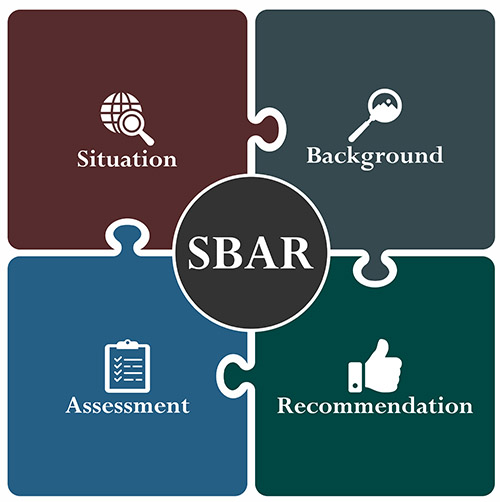
Communication breakdowns are a leading cause of unnecessary hospital transfers. By empowering floor nurses with standardized communication tools like SBAR (Situation, Background, Assessment, Recommendation), your team can provide more concise and actionable information to physicians. When a nurse can clearly articulate a change in condition, the physician is more likely to order an in-house intervention rather than a “just in case” ER trip.
3. Real-Time Data and Risk Identification
You cannot manage what you cannot see. Many facilities rely on “rearview mirror” data—reports that tell them what happened last month. To move the needle on readmissions, leadership needs to know what is happening right now.
How We Empower Leadership with Intelligence
We understand that DONs and NHAs are often spread too thin to manually comb through every chart to find potential risks. Our specialized reporting for Skilled Nursing Facilities (SNFs) is designed to do the heavy lifting for you.
Our reports provide the “Clinical Intelligence” necessary to identify your greatest risks before they become statistics:

-
Risk Stratification: We don’t just give you a list of residents; our reports highlight the individuals with the highest probability of readmission based on real-time clinical markers, diagnosis, and historical data.
-
Actionable Insights for DONs: Instead of searching for needles in haystacks, DONs receive a clear “Watch List” each morning. This allows them to direct their clinical resources where they are needed most, ensuring that high-risk residents receive the extra eyes they require.
-
Strategic Oversight for Administrators: For NHAs, our reports provide a high-level view of facility trends. You can see which shifts or units are seeing higher transfer rates, allowing you to identify training opportunities and ensure your facility remains a preferred partner for local hospitals.
Cultivating Better Outcomes
Reducing readmissions isn’t just about avoiding penalties; it’s about providing the highest level of care to the seniors who trust you. By combining clinical best practices with the predictive power of Sproutivity’s reports, your facility can break the cycle of readmissions and cultivate a culture of excellence.