
Skilled Nursing Facilities are under more pressure than ever.
Staffing shortages. Increasing acuity. Documentation demands. Regulatory scrutiny.
And in the middle of all that—wound care.
Complex wounds don’t wait. They require consistent attention, specialized expertise, and precise documentation. But the reality is:
Most SNFs don’t have the time, or the specialized resources, to manage wound care at the level today’s environment demands.
This is where wound care companies become a strategic advantage, not just a clinical service.
Wound care companies help SNFs by utilizing predictive technologies like SEM scanning to identify pressure injuries up to 5 days early, saving nurses over 7 hours of daily charting time and significantly reducing the risk of F684 citations.

The Hidden Burden of Wound Care in SNFs
Wound care is one of the most time-intensive and skill-sensitive responsibilities in a facility.
It involves:
- Frequent assessments
- Detailed documentation
- Dressing changes
- Monitoring healing progress
- Coordinating with physicians
- Preventing infection and complications
For already stretched teams, this creates a ripple effect:
- Nurses pulled away from other residents
- Documentation falling behind
- Increased risk of errors or missed care
- Higher exposure during surveys
And ultimately:
Increased risk of citations and poor outcomes
The Smart Shift: Partnering with Wound Care Specialists
Forward-thinking SNFs are solving this problem by partnering with wound care companies that come onsite and manage the process.
Here’s what makes this model powerful:
1. They Take Work Off Your Staff Immediately
Wound care providers handle:
- Assessments
- Treatments
- Documentation
- Care coordination
That means your team gets time back to focus on:
- Daily care delivery
- Compliance
- Resident engagement
Less burnout. More efficiency.

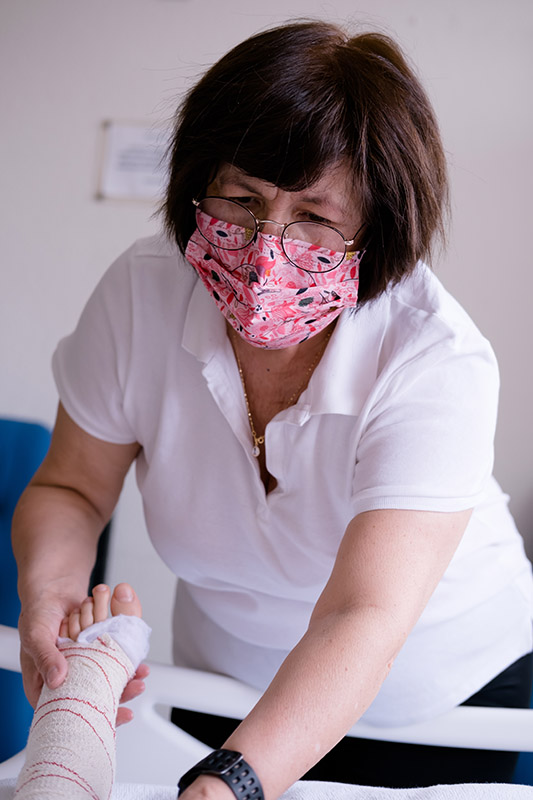
2. They Bring Specialized Expertise
Not all wounds are equal.
Chronic wounds, pressure ulcers, diabetic wounds, surgical wounds, these require advanced clinical knowledge.
Wound care companies bring:
- Certified specialists
- Proven treatment protocols
- Experience across hundreds of facilities
This leads to:
- Faster healing
- Fewer complications
- Better outcomes
3. They Reduce Risk of Citations
Many SNF citations tie back to:
- Poor wound documentation
- Delayed treatment
- Infection control issues
- Lack of monitoring
Wound care partners help ensure:
- Proper documentation
- Consistent treatment schedules
- Clinical oversight
You’re not just improving care—you’re protecting your facility.


4. They Bill Medicare or Insurance — Not You
This is one of the most misunderstood advantages.
Wound care companies typically bill:
- Medicare
- Resident insurance
You are not billed for the service
So you get:
- Additional clinical support
- Improved outcomes
- Reduced staff burden
Without increasing your operating cost.
5. They Improve Your Star Ratings and Outcomes
Better wound care leads to:
- Fewer infections
- Lower readmission rates
- Improved survey results
- Stronger quality measures
Which directly impacts:
- Your 5-star rating
- Your reputation
- Your referral volume

The Reality for Short-Staffed Facilities
If your facility is:
- Running lean on nurses
- Struggling with documentation
- Seeing more complex residents
- Feeling pressure from surveys
Then wound care is not just a clinical issue.
It’s an operational bottleneck
And solving it unlocks:
- Time
- Quality
- Compliance
- Peace of mind
The Strategic Advantage Most SNFs Miss
Many facilities view wound care companies as optional.
The most successful ones see them as:
- An extension of their clinical team
- A risk reduction strategy
- A time-saving lever


Final Thought
In today’s environment, doing more with less is not sustainable. But working smarter is.
Partnering with a wound care company allows you to:
- Deliver better care
- Free up your staff
- Reduce compliance risk
- Improve outcomes
Without increasing cost.
WARNING: Do your due diligence, not all wound care companies are created equal. We’ve worked with a few, reach out if you need a referral.