
In skilled nursing, outcomes are not random.
When a facility receives a $500,000 fine, it’s rarely the result of a single failure. It’s the visible outcome of dozens of small gaps—clinical, operational, and often invisible until it’s too late.
At the same time, there are facilities that operate at a completely different level. They don’t just avoid penalties—they consistently perform, stabilize, and improve.
So what separates them?
When you look at the data, the answer becomes clear:
It’s not one decision. It’s a pattern of consistency.
And more importantly—
It’s where attention is placed before problems appear.

| CMS Measurement | 1 to 5 Star Difference |
| Reported Nurse Aide Staffing Hours per Resident per Day | 124% |
| Reported LPN Staffing Hours per Resident per Day | 121% |
| Reported RN Staffing Hours per Resident per Day | 258% |
| Reported Licensed Staffing Hours per Resident per Day | 169% |
| Reported Total Nurse Staffing Hours per Resident per Day | 141% |
| Total number of nurse staff hours per resident per day on the we | 145% |
| Registered Nurse hours per resident per day on the weekend | 306% |
| Reported Physical Therapist Staffing Hours per Resident Per Day | 302% |
| Total nursing staff turnover | 66% |
| Registered Nurse turnover | 55% |
| Number of administrators who have left the nursing home | 30% |
| Nursing Case-Mix Index | 93% |
| Nursing Case-Mix Index Ratio | 93% |
| Case-Mix Nurse Aide Staffing Hours per Resident per Day | 93% |
| Case-Mix LPN Staffing Hours per Resident per Day | 93% |
| Case-Mix RN Staffing Hours per Resident per Day | 93% |
| Case-Mix Total Nurse Staffing Hours per Resident per Day | 93% |
| Case-Mix Weekend Total Nurse Staffing Hours per Resident per Day | 93% |

The Reality
Across CMS measurements, a consistent “performance gap” emerges between high-performing facilities and those facing significant Civil Money Penalties (CMPs).
This gap isn’t subtle.
It’s measurable. Repeatable. Predictable.
And once you see it, you can’t unsee it.
1. The RN Intelligence Gap (258%–306%)
The most striking difference across facilities is in Registered Nurse coverage.
- 258% more RN hours during weekdays
- 306% more on weekends
This isn’t just staffing—it’s clinical intelligence.
RNs are the ones who recognize:
- Subtle condition changes
- Early signs of decline
- Risk patterns before escalation
Facilities that struggle often don’t lack effort—they lack early visibility.
Especially on weekends.
A 306% gap suggests something deeper:
The highest-risk moments are happening when the fewest trained eyes are watching.


2. The Weekend Vulnerability (145%)
Many facilities operate well Monday through Friday.
But data shows that excellence is defined elsewhere:
👉 Sunday at 2:00 AM
👉 Shift changes
👉 Reduced oversight
There is a 145% difference in weekend staffing between top and penalized facilities.
This is where:
- Falls occur
- Treatments are missed
- Documentation gaps begin
And those small gaps compound into major citations.
3. Staffing Isn’t the Problem… Alignment Is
Across all nursing roles:
- CNA hours: +124%
- LPN hours: +121%
- Total licensed staffing: +169%
- Total nurse staffing: +141%
At first glance, this looks like a staffing issue.
But it’s not just about more people.
It’s about where and when they’re focused.
High-performing facilities don’t just add staff.
They align staff with:
- Acuity
- Risk
- Timing


4. The Stability Advantage (30%–66%)
Facilities with strong outcomes don’t just have better staffing—they have more stable leadership.
- 66% lower nursing turnover
- 55% lower RN turnover
- 30% lower administrator turnover
This matters more than most realize.
Because instability creates:
- Repeated learning curves
- Inconsistent processes
- Gaps in accountability
And over time, those gaps become systemic.
5. The Therapy Multiplier (302%)
One of the most overlooked differentiators:
👉 Physical therapy utilization
High-performing facilities deliver 302% more PT hours per resident.
This isn’t just about rehab.
It impacts:
- Falls
- Mobility
- Transfers
- Readmissions
PT becomes a safety layer—one that prevents issues before they appear in reports.


6. The Case-Mix Reality (93% Gap)
Facilities that struggle often fail in one critical area:
👉 Adjusting to resident complexity
Across case-mix metrics, there is a 93% difference in how facilities align staffing with acuity.
In simpler terms:
Residents get sicker… but staffing doesn’t adjust fast enough.
And when that happens:
- Care delays increase
- Risk compounds
- Outcomes decline
The Pattern Behind the Data
When you step back, a clear pattern emerges.
High-performing facilities:
- Anticipate risk
- Allocate resources early
- Maintain consistency across all days—not just weekdays
- Align staffing with acuity in real time
- Reduce variability in care delivery
Facilities that struggle:
- React instead of anticipate
- Spread resources evenly instead of strategically
- Experience breakdowns during transitions (weekends, shifts, turnover)
The Key Insight Most Facilities Miss
This isn’t about working harder.
It’s about seeing earlier.
Because the difference between:
- A manageable situation
- And $500,000+ in problems
Is often just timing and visibility.
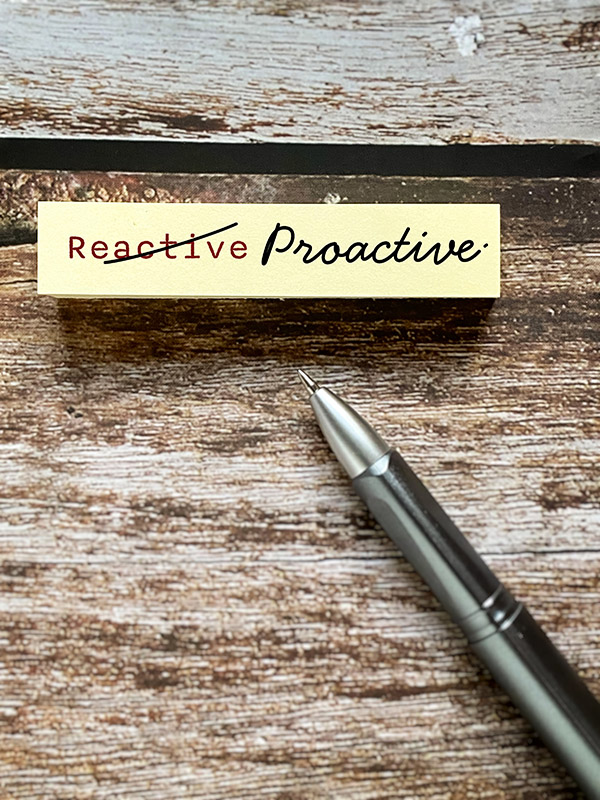
Where Facilities Begin to Shift
The facilities that move from reactive to proactive don’t do it by chance.
They begin to:
- Identify high-risk residents earlier
- Focus RN attention where it matters most
- Create consistency across weekends
- Reduce blind spots in documentation and care delivery
Not by adding chaos—but by reducing uncertainty.
The Bottom Line
Success is your duty, obligation, and responsibility. – Grant Cardone
There is no middle ground in skilled nursing.
You are either:
- Operating with clarity and control
Or
- Absorbing risk you can’t yet see
The data makes one thing clear:
Excellence isn’t about having more… it’s about knowing where to focus what you already have.
For an SNF leader, that success is measured in hours, stability, and clinical intelligence. If you want to move from “Fined” to “Fine-Tuned,” you must bridge these gaps.
Stop guessing. Start measuring. Build your Facility of Excellence.
Are You Curious Where Your Facility Stands?
Most facilities don’t realize where their gaps are until they’re measured.
If you’ve ever wondered:
- Which residents are truly high-risk
- Where your hidden exposure is
- What might surface during a survey
That visibility can be created quickly—using the data you already have.
You don’t need more noise.
You need clarity.
Contact us today to start this week.